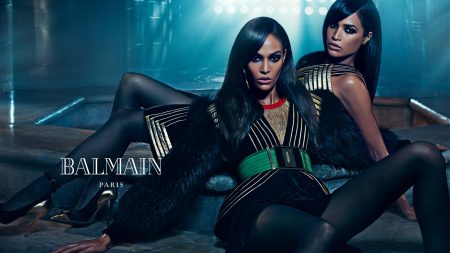
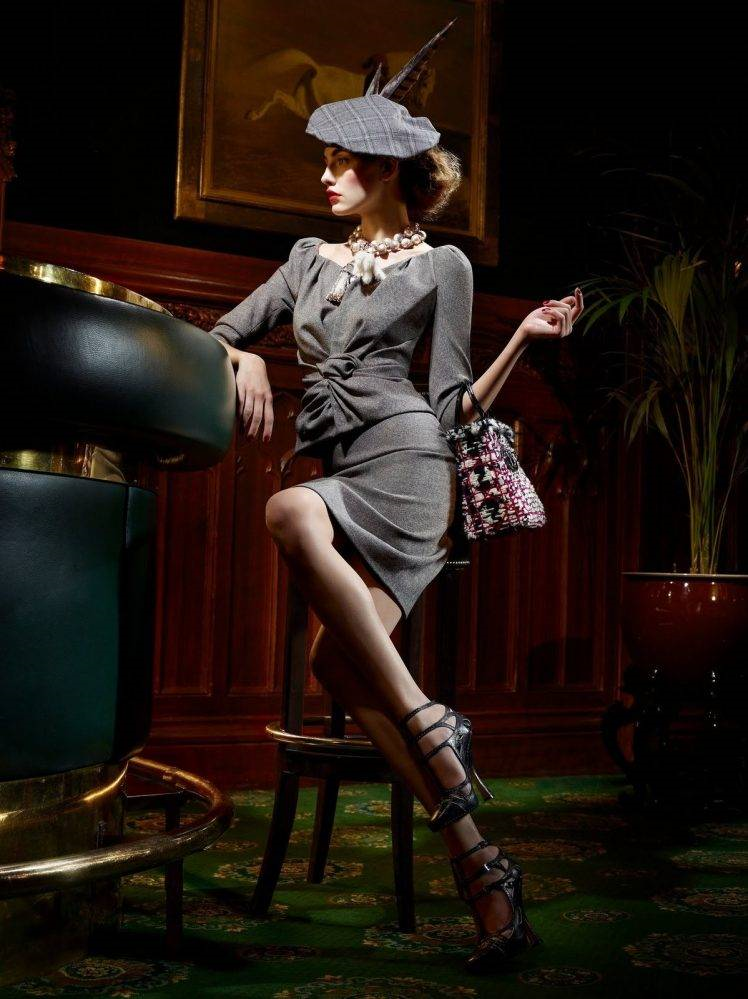
From pearls and diamonds to designer bags and fine watches, luxury goods have been some of the most coveted products by consumers. Once luxury goods were available in American department stores, American consumer’s obsession with luxury goods began to grow exponentially. Consumers wanted that statement-making garment or that fine-tailored Italian wool suit. Affluent consumers no longer had to travel abroad to purchase luxury goods, and middle-income consumers could budget for that coveted luxury item.
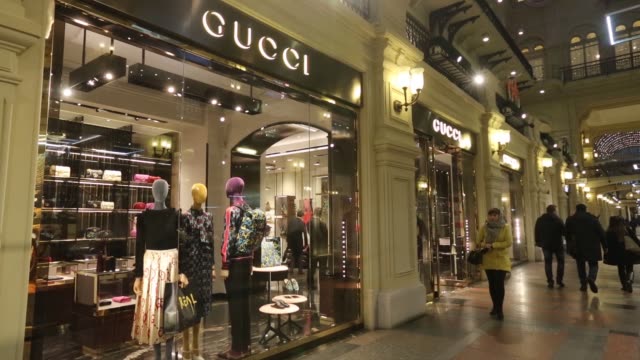
Current generations’ appetite of luxury goods pale in comparison to previous generations’ taste for such goods. That’s not to say there aren’t a ton of luxury goods purchased in the US—look how well Gucci is doing in North America—but Millennials and Gen Zers don’t seem to covet luxury goods in ways that match Baby Boomers and Gen Y.
In 2017, international professional services company Deloitte published a study that showed American Millennials trail fair behind other markets including China, Italy, and the UK in terms of their purchases of other high-end fashion or luxury goods. “If you look at the baby boomer population, they are looking at luxury in a different way,” said Michael Londrigan, associate professor and advisor to the provost at LIM College. “Boomers purchase for prestige and are expecting the luxury products they purchase to last them until they die. Millennials and Gen Z approach luxury shopping from a different perspective. They want their products to have ties to things like corporate social responsibility and sustainability. They would also rather spend more on experiences than physical products. What luxury brand have done though is create more product at a wider price point, so you do see more people actually owning luxury goods, and this has caused a shift in the market.”
That said, high-end and luxury markets are having a rough and tumble moment. Between coronavirus and a presidential election year in the US, people’s net worth is declining, and this is expected to have more than short-term effects. There is an expectation of a less upper middle class and affluent consumer shopping.
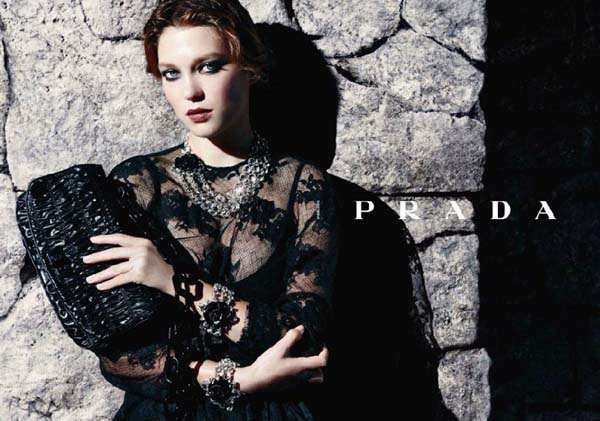
“There’s the long-term and short-term effects. In the short-term we are all panicking and worried about the stock market, stocks are plunging, and it makes people feel less wealthy,” said Milton Pedraza, CEO of Luxury Consulting. “More affluent consumers are going to hold back on buying luxury fashion. The luxury market is resilient to economic downturn, but it is not immune. Watches and jewelry expect to be the categories most hurt by an economic downturn, and people don’t really need apparel, because it’s not like they have empty closets.”
However, in the long-term it doesn’t appear that American consumers have the demand for luxury goods they once had. Pedraza also affirmed younger consumers have traded off products for experiences.
“Travel has become the number one category for discretionary spending,” Pedraza said. “Currently, demand for travel is declining due to coronavirus, but overall people have evolved to spending more on experiences. Things like beauty product services are doing well, such as facials and manicures. Younger generations don’t highly favor acquiring goods as compared to previous generations.”
If luxury brands expect American consumers to continue to expand their purchase of luxury goods, luxury brands will have to match the efficiency of a company like Amazon, making shopping an immersive experience. Stores have to become show centers. “Brands who are top tier brands will evolve into more experiential brands,” Pedraza said. “This coming recession will see a lot of carnage, however. Some brands might even go bankrupt or be sold at junk prices. Brands with less competition will survive, but other brands with a lot of competitors won’t be as lucky.”
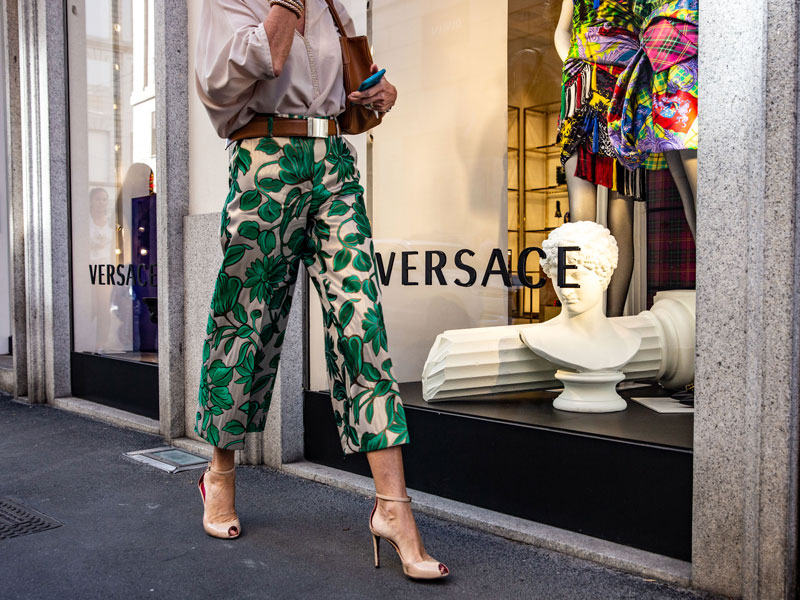
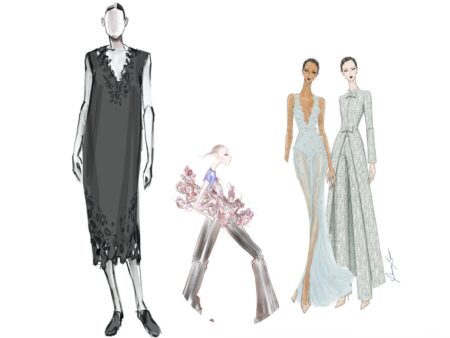
The other issue with getting American consumers to shop luxury goods is younger generations aren’t as wowed by heritage brands that have been around for decades. “The claim to fame of having been around for a long time doesn’t cut it with millennials,” Pedraza said. “Their attitude is very what have you done more for me lately, and what will you do for me now. Iconic brands will do well overtime, but a lot of other luxury brands that aren’t at that icon status might not survive.”U.S. luxury brands, like Pamella Roland, have found strong footing abroad , particularly in the Middle East and Asia. Pamella Roland counts retail partners in Dubai and Shanghai among international stores that carry her high-end gowns.
Another challenge for American consumers purchasing luxury fashion goods is that US wages haven’t kept up with the cost of living. However, according to Pedraza, the picture surrounding wages isn’t as black and white as people think. “There’s an entire grey economy people work in,” he said. “People also often have more than one job these days, and there is a whole gig economy, which is great for part-time workers. A lot of wages can’t really be measured these days. One of the problems is you have millennials who have a lot of college debt, and mortgage and credit card debt are also issues.”
“Wages aren’t quite as bad you may think though,” Pedraza continues. “If you’re a white-collar worker your wages have gone up some. Minimum wages have also increased. It’s a mixed bag, but a lot of people in the US do live hand to mouth, and that’s not good. If the average American had a $400 emergency most people couldn’t come up with it. While there is a grey economy that helps sustain us, people also have second and third jobs, but at least they are surviving. This does put a break on people who can buy luxury, and even people who can afford basic necessities. The luxury market isn’t growing as high as it has in the past. It’s growth is single digits. One saving grace is as baby boomers pass away, younger generations will inherit money. That’s how generations become resilient over time. Those things are unaccounted for.”
US wages, when compared to wages in most modern industrial countries, are nothing to sing praises over. A 2018 Pew Research study found that today’s real average wage has the same purchasing power as 40 years ago. Wage gains have gone largely to the highest earners, while workers in the lowest tenth of distribution have only seen a three percent increase since 2000.
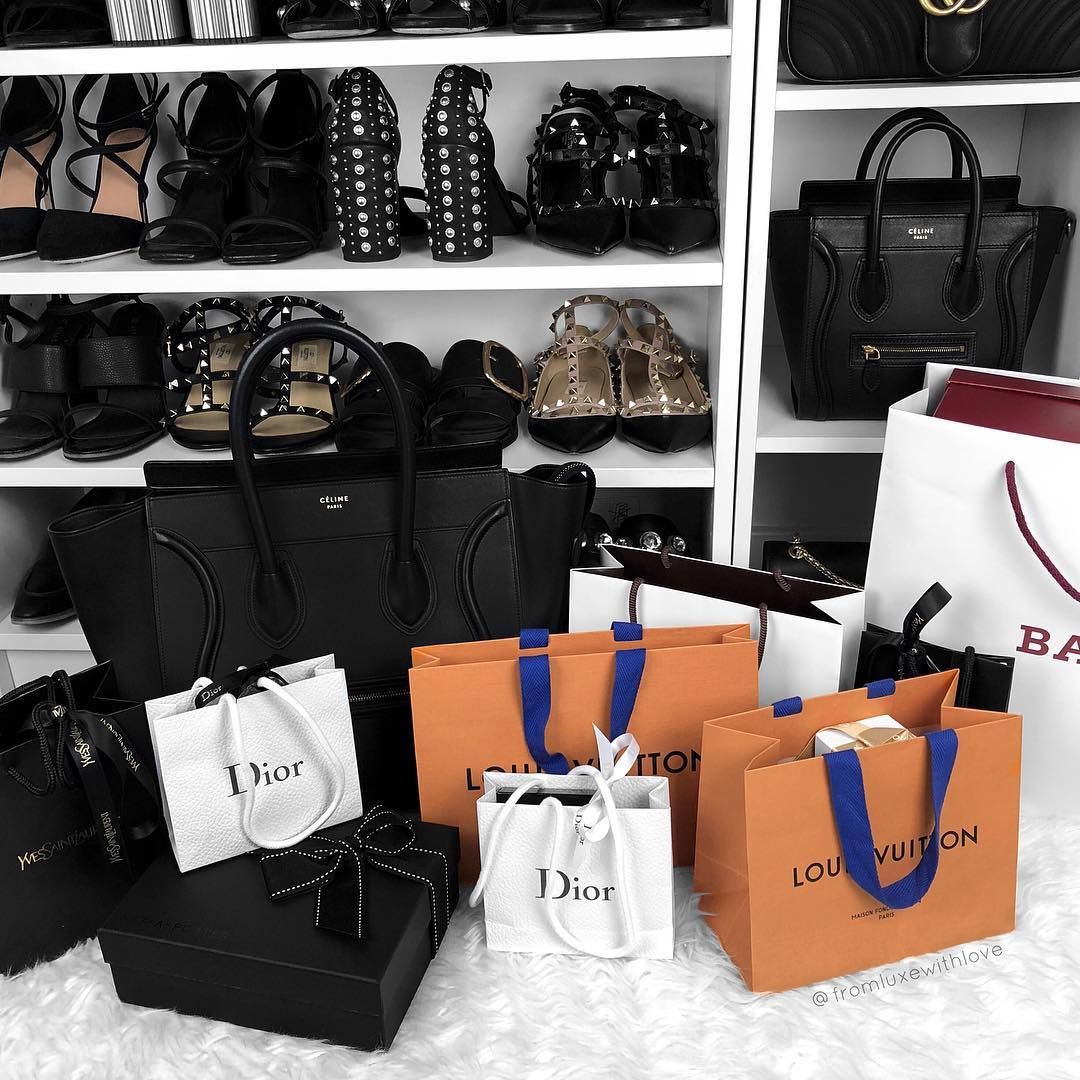
Pam Danziger, the founder of Unity Marketing, finds the luxury market more complicated due to the coronavirus pandemic. Danziger did note some key factors that apply to US consumers. Danziger contends that the US has the largest number of millionaires (18.6 million according to Forbes magazine. Because of Americans’ wealth status, the US continues to be a very important market for luxury brands, and still the most important market next to Asia. China had long been the focus for luxury brands the past several years, but with the effects of coronavirus the luxury market has taken a major hit there, and now luxury brands have to put their attention elsewhere. “My message to luxury brands was look back at the US market, China can’t sustain that growth forever,” Danziger explains. “The coronavirus has really ripped into the luxury market in China, grounding it to a halt and won’t comeback as near as strong as it once did. Right now, Americans are very much on hold. They’ve really stopped buying discretionary products short-term, it could go on longer term.”
In the face of a crisis, it’s all possible that luxury spending has the potential to take a positive turn. “Consumer psychologists have found that once people are faced with these kind of mortality crises, they tend to throw caution to the wind,” Danziger said. “This means they could start spending more money than they normally would. It will be interesting to see how consumers react once coronavirus subsides, because they could either spend more money than they normally would thinking their end is near, or they might get extra cautious and save up for a rainy day.”
Danziger also doesn’t believe that American luxury brands attempting to compete with French luxury brands speaks to any weaknesses in America’s luxury market. According to Danziger, Parisians have a strong preference for their own homegrown, legacy brands, and in general US shoppers exist in a more globalized market.
In terms of younger consumers’ spending habits, Danziger says that luxury brands need to start focusing on the resale markets, because that’s a sweet spot for millennials and Generation Z. She also says that luxury brands need to work on maintaining a lifelong connection with their consumers. In November 2019, Vogue Business reported that popular luxury resale site, The RealReal, saw a 55 percent sales spike. Luxury handbag retailer Rebag also positioned itself for growth last year by opening two stores in Manhattan and raising 25 million dollars in capital to continue their growth.
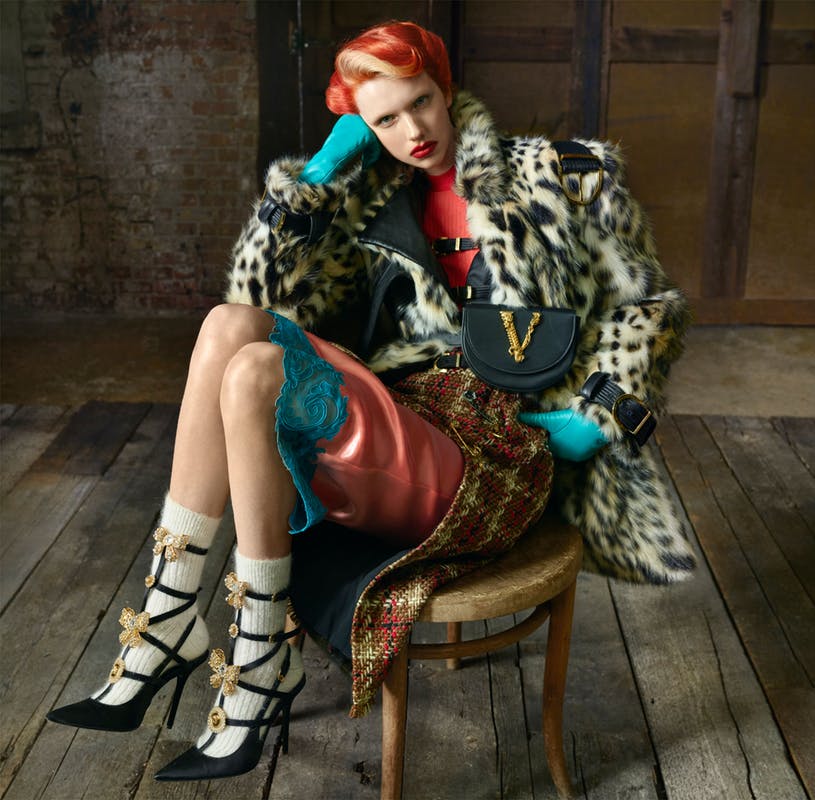
A November 2019 report by McKinsey & Company noted that two of the biggest challenges fashion brands will have with consumers is better digital experiences, and addressing the needs of consumers who are increasingly concerned by climate disaster, which translate into decreasing global footprints and sustainable fashion. Consumers and advocates are also continuing to demand for more inclusiveness, particularly in representation of race, gender, size demographics, and sexual orientation across leadership roles.
The American luxury market is tougher than ever, but that doesn’t mean there are no ways to expand the US audience. Like all things, fashion must adapt, and Americans continue to be an important consumer for luxury fashion companies.
—Kristopher Fraser
Image credits
- luxury-goods-wallup-net.png — Credit/source: wallup.net.
- gucci-getty.jpg — Credit/source: Getty Images.
- luxury-goods-fashionchina.jpg — Credit/source: fashionchina.com.
- versace-worldfinance.jpg — Credit/source: worldfinance.com.
- americanconsumers-4.jpg — Credit/source: pinterest.com.
- luxury-fashion-lofficiel-singapore.jpg — Credit/source: lofficielsingapore.com.
- luxury-balmain-03.jpg — Editorial image.
Reader Discussion
Start the Conversation
Thoughtful comments, questions, and fashion conversation from Fashion Reverie readers.
Reader Guidelines
Keep the conversation thoughtful, relevant, and respectful. Comments may be moderated before appearing on Fashion Reverie.
No comments yet. Start the conversation with a thoughtful note or question.