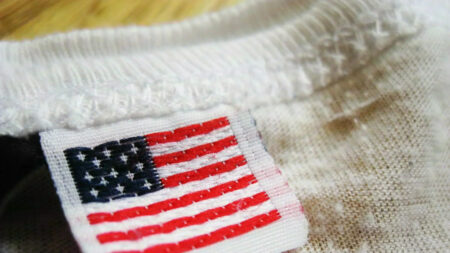
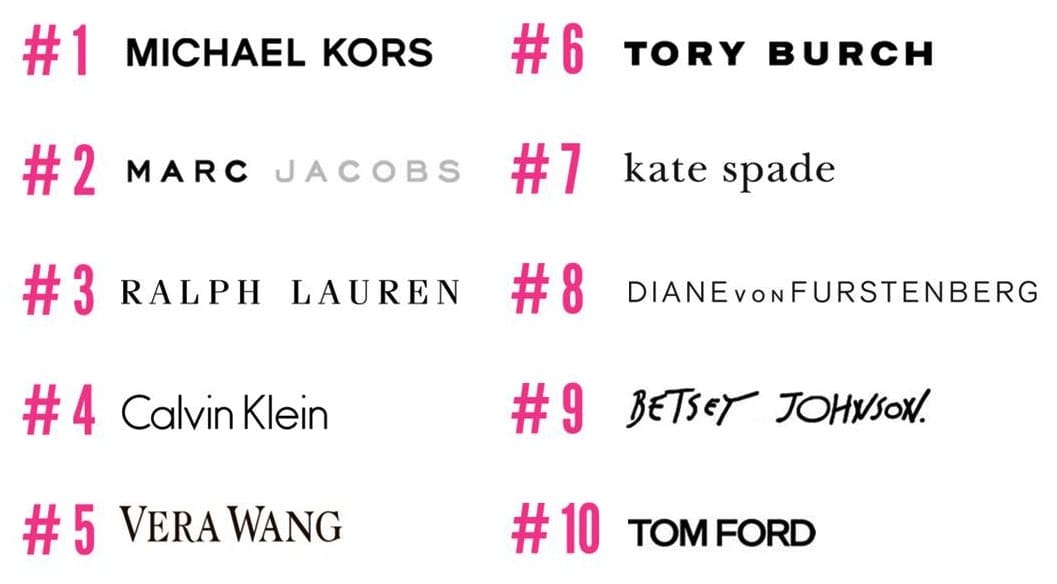
2025 was a very tough year for Capri Brands’ 3 heritage American labels: Michael Kors, Kate Spade, and Jimmy Choo. The damage wasn’t contained to these big names though; other big American brands have been on a steady downwards tumble for years.
Fashion Reverie takes you through the rise and fall of big American brands.
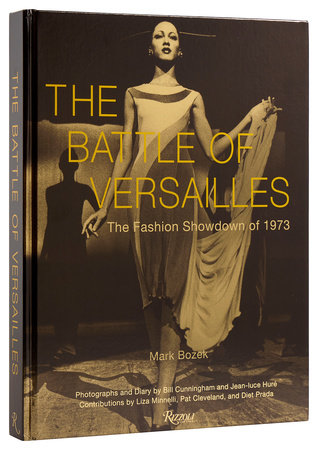
The November 1973 Battle of Versailles legitimized American fashion houses to the French and to the rest of the fashion world. The event was instrumental in helping establish American designers. That November evening, it was as if a magic wand was waved that turned Calvin Klein, Donna Karan, Bill Blass, and Anne Klein into internationally recognized names. They expanded beyond clothes to include accessories, home and fragrance. Several decades later, many of them had attained heritage brand status.
The bigger the better formula worked in the heyday of the big department stores that existed in the seventies, eighties and nineties. Neiman Marcus, Saks Fifth Avenue, Lord & Taylor, and Macy’s all proudly carried American designers in a big way. If one department store didn’t carry that special designer piece, another did. The all-powerful department stores were the ideal place to incubate a brand such as Jessica Simpson’s, points out Teri Agins@teriagins, a long-time fashion industry journalist for the Wall Street Journal and author of “The End of Fashion” and “Highjacking the Runway.” Macy’s launched the Jessica Simpson Collection in 2005 and in 2010 JSC hit $750,000 in revenues. This case study in Agins’ book demonstrates the muscle American department stores still had in the early 2000s.
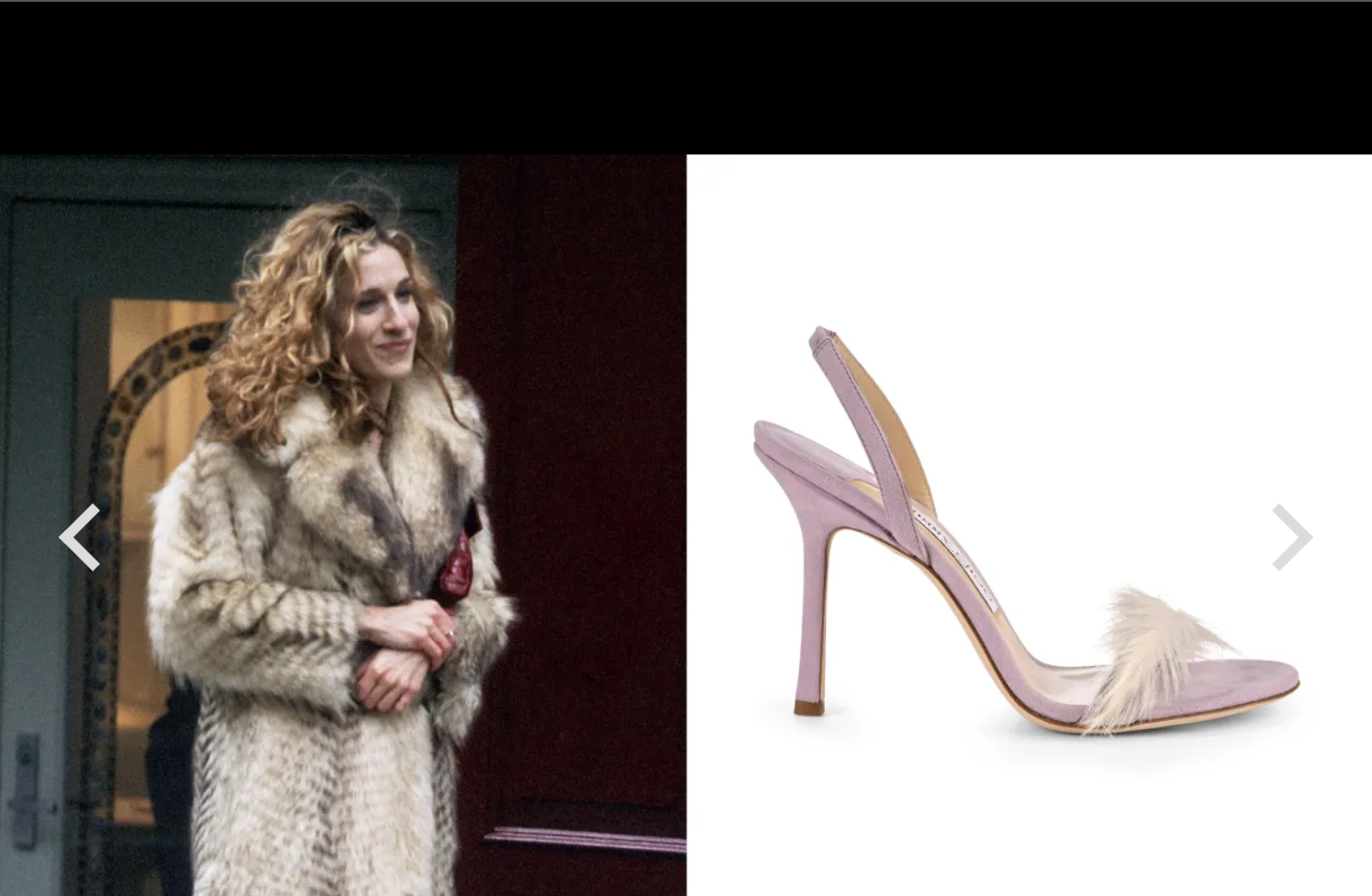
American brands also found enthusiastic support from the glossy print publications. Vogue, Harper’s Bazaar, Glamour, and WWD, who chronicled the designers’ every public appearance. Michael Kors was a judge on fan favorite, “Project Runway” from 2004 to 2012, which positioned him to leverage his discount Michael Kors accessories to the masses. The hit TV show, “Sex and the City,” that ran from 1998 – 2004, was also instrumental in turning little-known luxury brands Jimmy Choo, Christian Louboutin, and Manolo Blahniks into household names. Consumer sales rocketed for the designer bags and shoes during the show’s 6-year run. Blahnik, Choo, and Louboutin became celebrities their customers spoke of by first name. Splashy advertising campaigns further pushed the messaging. Ads for luxury goods were seemingly everywhere, in the pages of the glossies, the Sunday New York Times, billboards, bus stops, TV, and radio.
Unfortunately, the new century ushered in a seismic shift brought about by a perfect storm of events. Customers increasingly embraced the convenience of online shopping especially following the COVID-19 pandemic. The great department store consolidation stripped the stores of glamour and relevance and by 2000, there were only 3 mega department store chains: Federated Department Stores, RH Macy’s, and the May Department Stores Company. In 2005, Federated bought the May Co., and in 2007 rebranded Hecht’s, Marshall Fields, and the other regionals into Macy’s. The rebranded stores that had been stripped of their unique regional character alienated loyal customers and foot traffic and sales declined. Macy’s responded by downsizing from nearly 1,000 stores to under half that number post-pandemic. Retaildive.com estimates that by the end of this year there will be 350 Macy’s stores left standing.
Opening designer outlets may have seemed like the solution to dusty department stores and malls, but year-round low prices taught consumers to never pay full price. By 2010, Capri’s sexy labels, Michael Kors, Kate Spade, and Jimmy Choo began to feel the pain of a massive cultural shift. Magazines were less important to fashion lovers, largely replaced by social media and influencers who appealed to younger generations, widening the generational gap. Big American brands that seemed too big to fail were floundering and Capri’s earnings fell nearly 40% from its 2020 numbers. This is in line with what Teri Agins estimates the 20-year lifespan of a good fashion brand. She opines, “personal taste is “a generational thing. Kids don’t want to wear what their parents wore, with a few exceptions like Ralph Lauren, that is cyclical.”
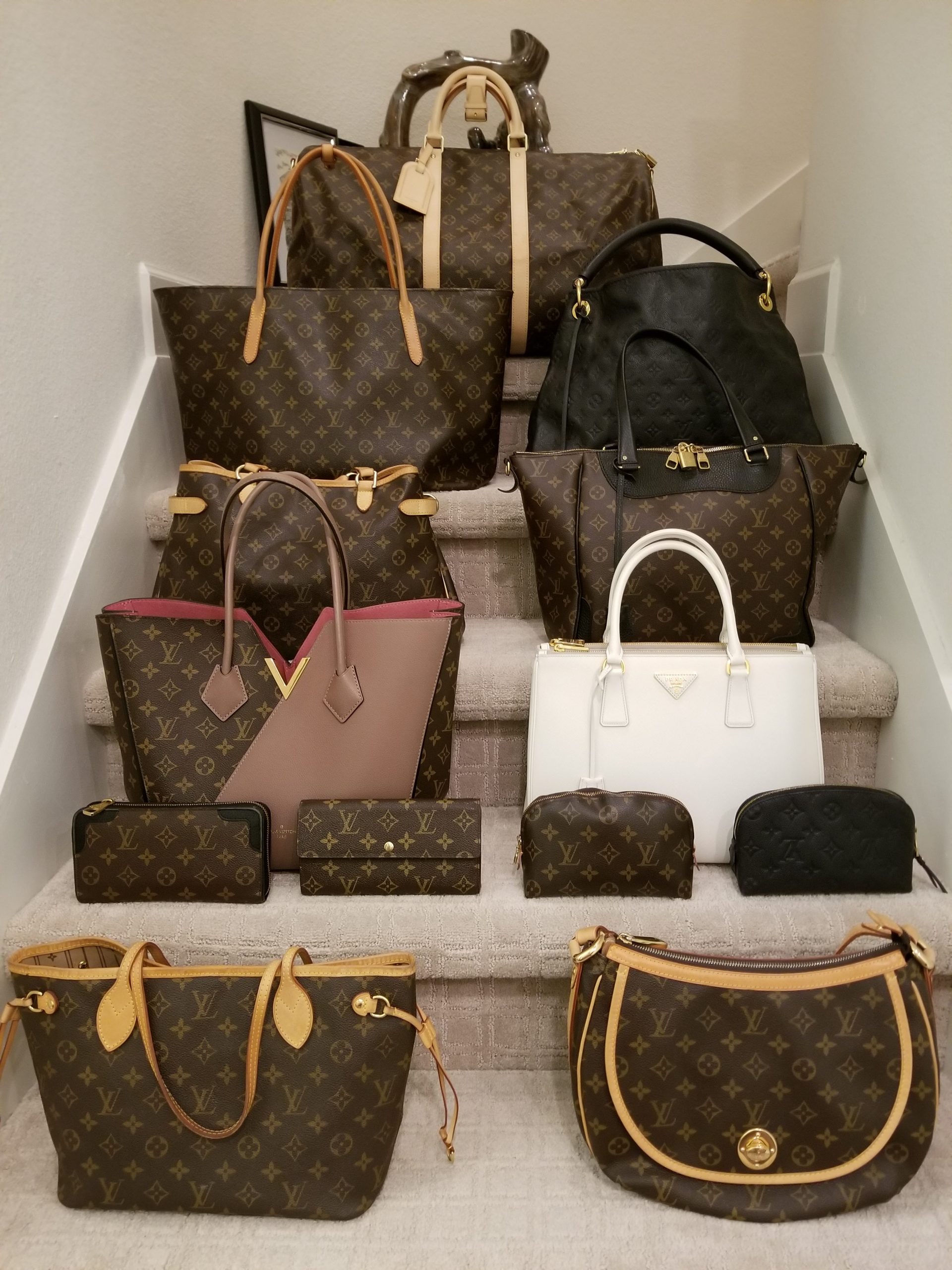
Teens and twenty somethings embraced a “normcore” dressing heavy on sneakers, sweatsuits and lounge wear, doing away with the need for logoed designer belts and shoulder bags. A high school student told fashionreverie.com she paid $37 for a pair of Alo yoga socks, “because they’re designer fashion.” She is saving up for a Lulu Lemon bag, not a Louis Vuitton. In a strange twist, normcore narrowed the generational gap as older generations also embraced H&M, GAP, and Uniqlo. Cost-effective direct to consumer campaigns of texts and specials bombard inboxes daily and span across all generations.
As for the way forward, there is a bright spot in the designer landscape—the model created by the big European fashion brands such as LVMH and Prada S.p.A.. While fragrance used to be their golden goose, in the past 5 years, lucrative licensing cosmetic collaborations with L’Oreal and Coty have been instrumental in sales for Dior, YSL, Gucci, Armani, Valentino, and Prada. Distribution across LVMH’s Sephora stores nationwide and luxury department store counters keeps these European brands on consumers’ radar. A $42 Dior Addict Lip balm is a splurge but an attainable one to those who want a luxe designer item. Versace may join the cosmetics party as Prada S.p.A bought it from Capri for $1.375 billion last month. Says Agins, “Versace still has some cachet; sex sells and that is part of their DNA. I think Versace has a good chance now that Prada owns it.”
—Vivian Kelly
Image credits
- fashion-fail-05.jpeg — Credit/source: rizzoliusa.com.
- fashion-fail-02.png — Editorial image.
- louis-vuitton-diamondbanc.jpg — Credit/source: diamondbanc.com.
- ameican-fashion-brands.jpg — Editorial image.
- american-fashion-brands-01.jpg — Editorial image.
Reader Discussion
Start the Conversation
Thoughtful comments, questions, and fashion conversation from Fashion Reverie readers.
Reader Guidelines
Keep the conversation thoughtful, relevant, and respectful. Comments may be moderated before appearing on Fashion Reverie.
No comments yet. Start the conversation with a thoughtful note or question.