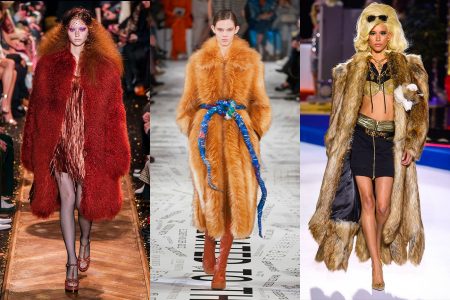
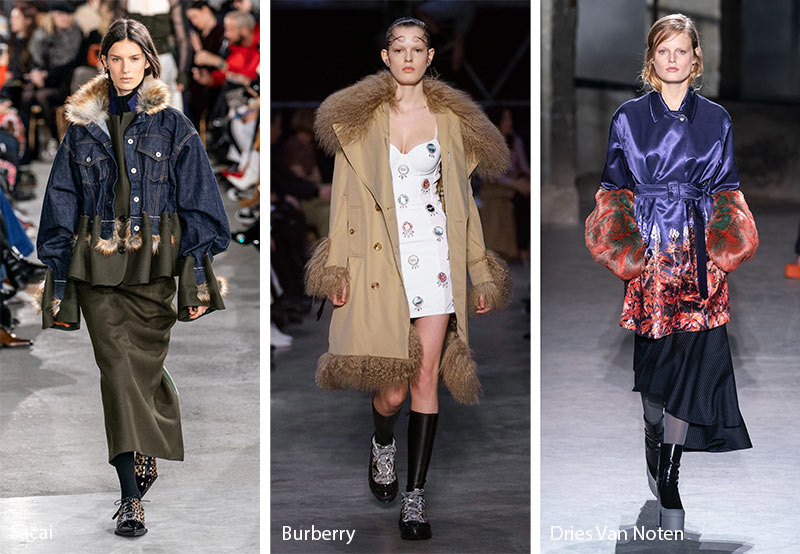
Though global warming is influencing temperatures around the world, particularly in climates that expect chilly temperatures at this of the year, many consumers are still purchasing and wearing heavy winter coats. That also applies to fur, though there is an intense backlash against fur from animal and sustainability activists. Additionally, several fashion designers/brands have eliminated fur from their collections, namely Stella McCartney, Armani, Michael Kors, Burberry, and others. Still, there are brands that have continued to use fur in their collections. Case in point, Harvy Nichols had a 10-year ban on fur, went against convention and incorporated fur into collections a couple of years ago. Also, continuing to use fur are Dennis Basso, Dior, Saint Laurent, Karl Lagerfeld, Louis Vuitton, and Canada Goose.
Fashion Reverie examined the fashion industry’s approach to this burgeoning furless trend in Courtney Wilkins’ article, “The End of Fur.” That said; a fur-free aesthetic is not the fashion industry’s only approach to the fur enigma. There are fashion designers/brands that will continue to trumpet fur as a viable way to express creativity and elegance. This follow-up fur article carefully unearths the fashion industry’s continued affection for natural fur.
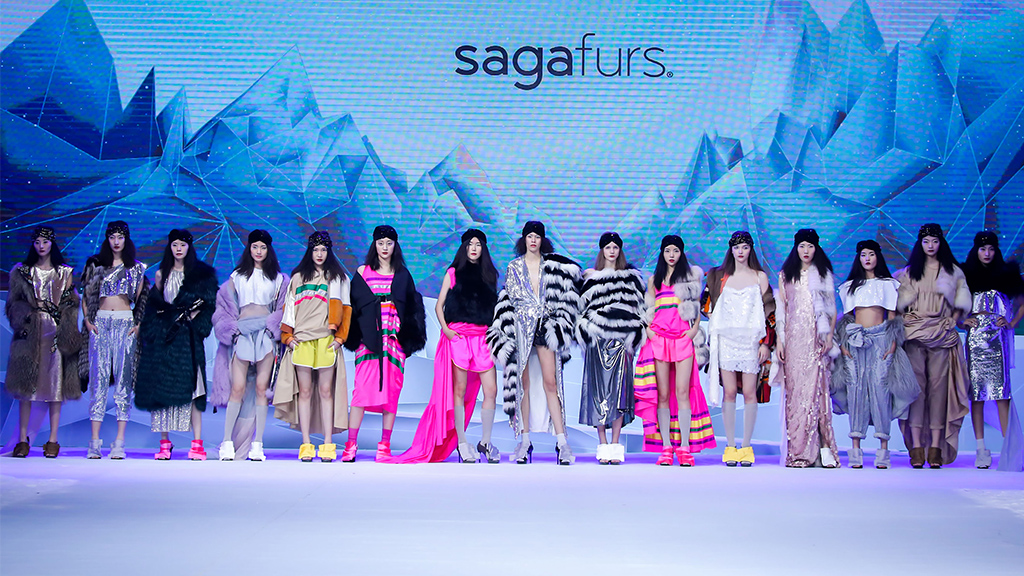
Beijing 2022 may be two years away, but the fur industry is already injecting its design aesthetics into fashion runways in China. The 2020 Beijing International Fur and Leather Products Exhibition (BIFE), held January 6-8, 2020, in the China Convention Center, jointly built a new platform for winter fashion—Beijing Winter Fashion Show (BWFS) in collaboration with the China Textile Import and Export Chamber of Commerce. The BIFE, drew approximately 1,800 worldwide buyers and exhibitors 142 domestic and international exhibitors from the fur, leather and down industries. This event may serve as a strong reminder that the death knell bell for fur fashion, from the international view, may be ringing too soon.
The BWFS Fashion Night Gala theme was the Winter Olympics and featured five fur concerns including Saga Furs, Yuanlong Fur, Yinshan, Let’s Fur, and Avanti Fur. Wang Yuanyuan, one of China’s leading fashion designers, worked closely with Saga Furs, using her new textile collection to support and match Saga’s fur garments. This intercontinental fashion collaboration is an example of a three-decade long relationship between this 80-year old Finnish company and the fur industry of China.
With the countdown to the 2022 Beijing Winter Olympics underway, the traditional fur industry is looking for ways to infuse fur fashion with winter functional clothing. Though California’s passage of the ban on furs, may have been regarded as the funeral dirge for fur, nothing could be further from the truth on the international fashion scene. The European and Asian fur connection could be foretelling the fashion trends for the future of fur. Saga Furs, a leader in the sustainability movement, over the past three decades has built strong relationship with China in setting new standards for sustainability, along with other European fur companies.
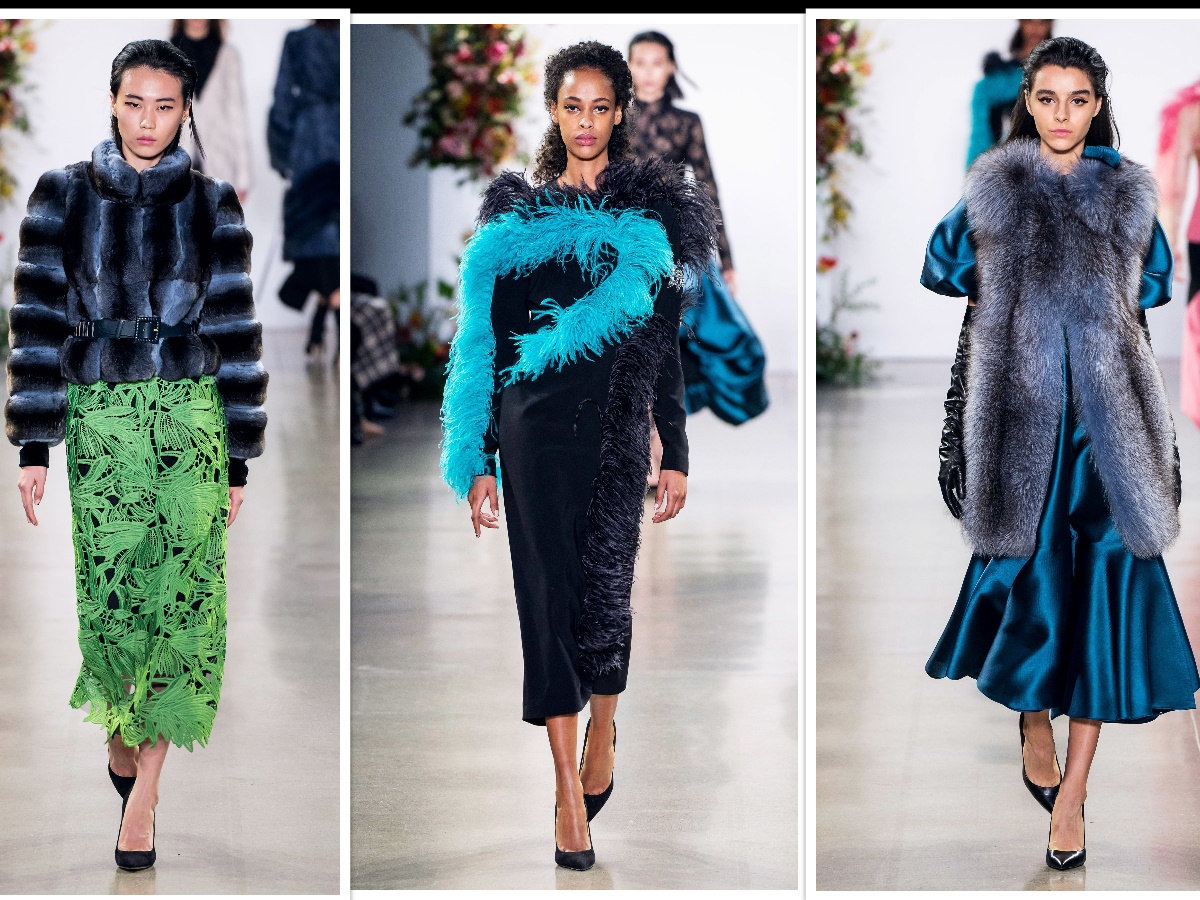
Bibhu Mohapatra, whose New York Fashion Week fall 2019 collection featured fur, agrees with Anna Wintour and other fashion industry illuminati, that fur is a viable material that should not be banned or banished. “I think the is one of the most sustainable and natural materials, that has a complete cycle of being used. And it can go back to nature without any residue. And it has the least carbon footprint,” explains Mohapatra. (While faux fur will hang around in the ecosystem from 500 to 1,000 years, real fur has a life cycle of only 50 to 60 years.)
The global fur trade was valued at more than $40 billion in 2014 according to the Fur Information Council of America. And even if there has been a decrease of a few billions, the current global fur trade value still demonstrates the viability of the business of fur worldwide. China accounts for an estimated 80% to 90% of global fur sales, according to the International Fur Federation (IFF) which estimated, in 2018, a whopping $17 billion annually in fur sales. Fur has been a centuries old tradition in a country where winter temperatures, in some areas, can drop below zero.
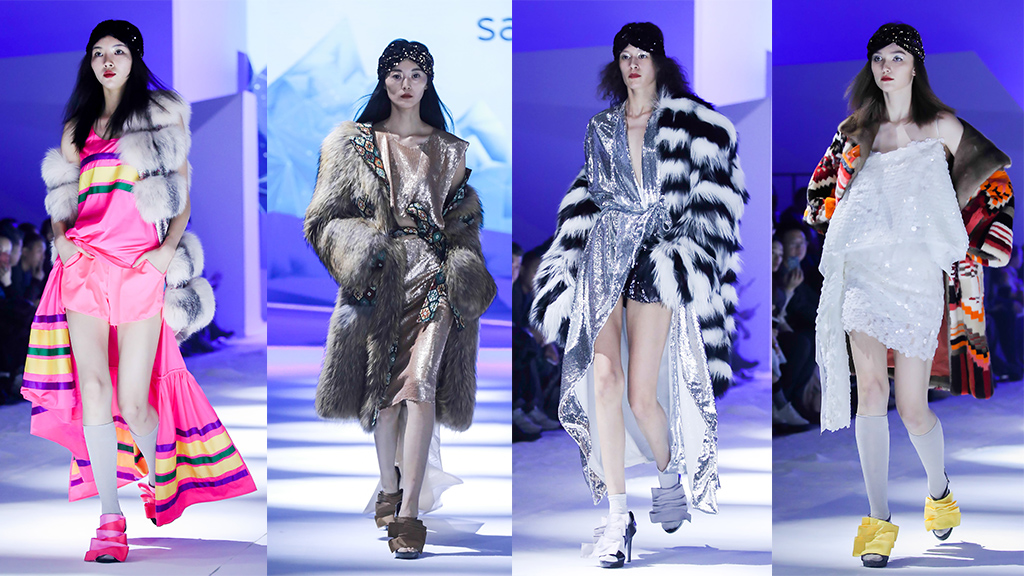
Charles Ross, Saga Fur’s Head of Sustainability and Supply-chain Management, the company changed its strategy and created a new version of their “Fur Vision” to give designers a new view of how to incorporate fur into fresh new fashion. This international event held in New York and other fashion cities like Milan, Paris, London, Seoul, Beijing and Shanghai, was designed to provide designers an opportunity to meet with the company’s product development teams. “It gave them the confidence to use Saga Furs because the furs come from certified fur farms and that’s a very important message for designers in today’s world.”
Designer Christopher John Rogers, who in 2018 was dubbed “the next big designer ” by In Style magazine’s September 2018 issue, had fur in his collection during New York Fashion Week fall 2019 season—with a patchwork fur coat and creations integrating fur with other materials. And his meeting with Saga Fur’s team was inspirational for him. The event, he says ” definitely opened my eyes to the possibilities of what you can do with her as opposed to just making a coat and it just makes you feel like every season you can come up with something new and you can evolve.”
Additionally, Welfur, an organization that assesses the mink, fox and Finnraccoon farms in Europe, has established a certificate that measures good housing, health, feeding and appropriate behavior as it relates to animals used in the fur trade. Furmark, a program developed by the IFF, is also looking to ensure good practice among international fur trade suppliers.
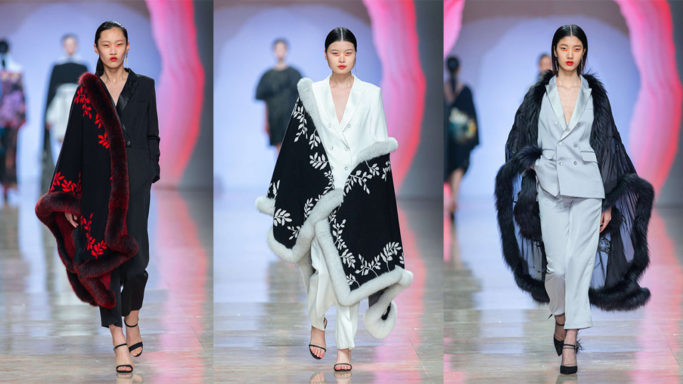
Young consumers are not opposed to wearing fur, some studies have suggested, but they just don’t want to see the animals or the cages, and they do need to trust the brand. “Only young generations can bring bright future for fur,” says Samantha Vesala, Saga Furs’ Business Director for Asia, “Sustainability is also equal important for young customers.”
Fur fashion is moving into the 21st century with Europe leading the way with checks and balances to ensure responsibility in animal welfare and accountability and transparency in ethical and industry practices.
—Francesca C. Simon
Image credits
- fur-glowsy.jpg — Editorial image.
- saga-collection-1.jpg — Credit/source: Saga Furs.
- fur-bibhu.jpg — Editorial image.
- saga-collection-2-wang-yuanyuan.jpg — Editorial image.
- saga-furs.jpg — Editorial image.
- fur-feature.jpg — Editorial image.

Reader Discussion
Start the Conversation
Thoughtful comments, questions, and fashion conversation from Fashion Reverie readers.
Reader Guidelines
Keep the conversation thoughtful, relevant, and respectful. Comments may be moderated before appearing on Fashion Reverie.
No comments yet. Start the conversation with a thoughtful note or question.